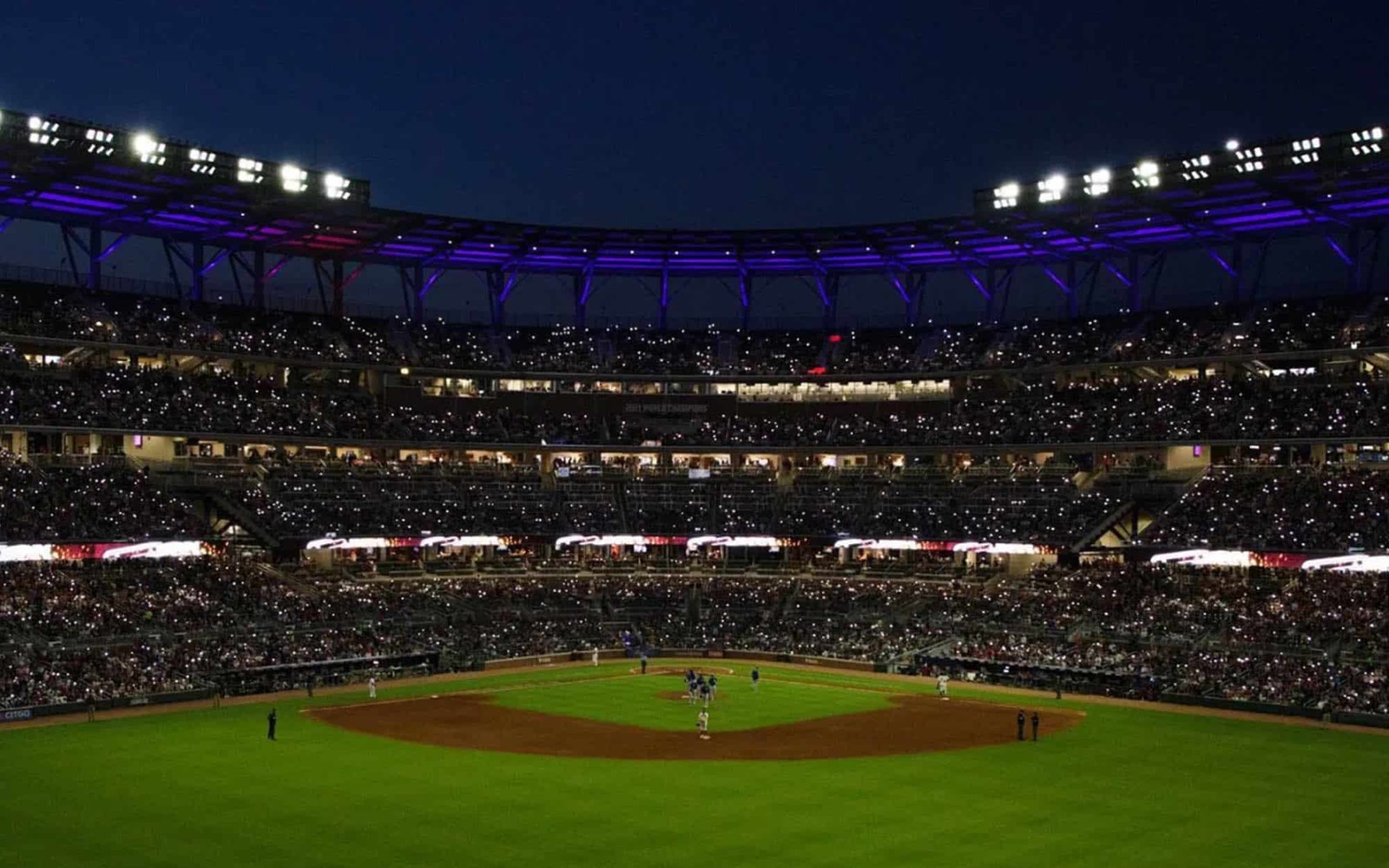

In the sports world, lighting enhances visibility, optimizes performance, and creates immersive experiences for athletes and spectators. LED technology has revolutionized sports lighting with superior efficiency and flexibility compared to traditional lighting systems. However, achieving optimal results requires more than selecting the right fixtures; it requires meticulous maintenance and installation that prioritizes safety, compliance, and longevity. In this guide, we explore best practices for LED sports lighting maintenance and installation, from fixture selection to lifecycle management. We also highlight the importance of compliance, remote monitoring, and proper maintenance for maximizing performance and return on investment.
Maximizing LED Fixture Lifespan
Implement Regular Sports Lighting Maintenance
Regular sports lighting maintenance is essential for maximizing the lifespan of LED lighting installations. Cleaning, inspection, and preventive maintenance tasks ensure that fixtures operate at peak performance throughout their lifespan. Routine cleaning removes dirt, debris, and contaminants that can accumulate on fixture surfaces, reducing light output and compromising visual clarity. Inspection of components like heat sinks, wiring connections, and optical lenses allows maintenance teams to identify signs of wear, corrosion, and damage early on and address them before they escalate into bigger issues.
Preventive maintenance measures such as lubricating moving parts, tightening loose connections, and replacing worn-out components prevent premature failure and extend the lifespan of LED fixtures.
Address Wear & Tear
LED fixtures are designed to withstand rigorous use and environmental conditions, but they’re not immune to wear and tear over time. Monitoring fixture performance and addressing signs of wear, degradation, and component failure is critical for maximizing longevity and ensuring reliable operation. Common indicators of wear and tear include lumen depreciation, color shifting, flickering, or inconsistent light output.
These issues can be caused by factors like thermal stress, electrical surges, or component aging. Promptly addressing wear and tear through repairs, component replacements, or fixture upgrades maintains consistent illumination, color, and visual quality, so sports lighting installations continue to deliver optimal performance and meet the evolving needs of athletes and spectators.
Improve Operating Conditions
Enhancing operating conditions for LED fixtures is key to maximizing lifespan and performance. Factors such as ambient temperature, humidity levels, and airflow impact fixture reliability, efficiency, and longevity. LED fixtures operate most efficiently and reliably within specified temperature and humidity ranges. Excessive heat or moisture can accelerate component degradation, reduce lifespan, and compromise performance. Proper ventilation, thermal management, and environmental controls maintain stable operating conditions, prolonging the lifespan of fixtures and minimizing the risk of premature failure.
Avoiding frequent on/off cycling and using fixtures within recommended voltage ranges extends their lifespan and ensures consistent performance over time. With the right operating conditions, sports facilities can maximize their return on investment and enjoy reliable illumination for many years to come.
Selecting the Right LED Fixtures
Consider Brightness & Uniformity
When choosing LED fixtures for sports lighting, it’s essential to assess the brightness levels and ensure uniform light distribution across the playing surface. Optimal brightness enhances players’ visibility and creates an immersive experience for spectators. Uniformity in light distribution eliminates shadows and hotspots, providing consistent illumination that contributes to fair gameplay and enhances the overall viewing experience.
Factors like the size of the sports venue, mounting heights, and specific lighting standards for different sports must be taken into account to determine the appropriate brightness levels and ensure uniformity throughout the facility.
Evaluate Color Temperature
The color temperature of LED fixtures influences visual acuity, contrast, and color rendering. Color temperatures ranging from 5,000K to 6,500K—akin to natural daylight—enhances clarity and visibility, allowing players to track fast-moving objects and make split-second decisions.
Color temperatures similar to daylight render colors more accurately, resulting in vibrant visuals that bring the game to life and heighten the spectator experience. Evaluating color temperature ensures that the lighting design meets functional requirements and enhances the appeal of the sports venue, creating an engaging atmosphere for athletes and fans.
Assess Beam Distribution
LED fixtures with adjustable beam angles offer versatility and precision in directing light where it’s needed most, catering to the unique requirements of different sports and venue layouts. Wide beam angles are ideal for illuminating expansive playing areas like soccer fields or tennis courts, ensuring uniform coverage and visibility across the entire surface.
In contrast, narrower beam angles provide focused lighting for specific zones like basketball or volleyball courts, enhancing visual clarity and reducing light spillage. By assessing beam distribution and selecting fixtures with adjustable optics, sports facilities can optimize light distribution, minimize glare, and create lighting solutions that meet the diverse needs of athletes, spectators, and broadcasters.
Optimize your venue with the industry-leading LED solutions available at NGU.
Compliance With Industry Standards & Regulations
Adhere to Safety Guidelines
Safety is paramount in sports lighting installations. Adherence to industry standards and regulations is essential to mitigate risks and ensure the well-being of athletes, spectators, and personnel. Regulatory bodies like the Illuminating Engineering Society (IES) and the International Electrotechnical Commission (IEC) provide guidelines specific to sports lighting, covering aspects such as mounting heights, fixture spacing, electrical wiring, and structural integrity.
Compliance with these standards minimizes the risk of accidents, injuries, and liabilities associated with improper lighting installation or operation. Design-build teams must familiarize themselves with relevant safety guidelines and incorporate them into the installation process to create a safe environment for all.
Meet Environmental Requirements
In addition to safety considerations, sports lighting installations must also adhere to environmental regulations and sustainability initiatives. Measures to mitigate light pollution and energy consumption are increasingly important in modern sports facilities. Designing layouts that minimize light spillage beyond the playing area, implementing energy-efficient LED fixtures, and incorporating lighting controls to optimize energy usage are effective strategies for reducing environmental impact.
Compliance with environmental requirements demonstrates a commitment to sustainability and contributes to cost savings. By aligning sports lighting installations with environmental regulations and best practices, design-build teams can create responsible facilities that enhance the overall quality of life for athletes, spectators, and surrounding communities.
Benefits of Remote Monitoring & Control Systems
Real-Time Adjustments
Remote monitoring and control systems offer unparalleled flexibility and responsiveness in managing sports lighting installations. By enabling real-time adjustments to lighting levels, scheduling, and diagnostics, these systems empower facility managers to adapt to changing operational needs, environmental conditions, and event requirements.
Whether it’s dimming lights during practice sessions, enhancing visibility for televised events, or responding to inclement weather conditions, remote controls provide instant access to lighting controls from any location, ensuring optimal performance and efficiency.
Predictive Maintenance
Remote monitoring systems use data analytics and predictive maintenance algorithms to identify potential issues and schedule maintenance tasks before they escalate into costly problems. By continuously monitoring performance metrics such as lumen output, temperature, and power consumption, these systems detect anomalies, trends, and deviations from normal operating parameters.
Early detection of issues allows maintenance teams to minimize downtime, prevent equipment failures, and maximize the lifespan of LED fixtures. Predictive maintenance improves reliability and performance, reduces maintenance costs, and extends the overall lifespan of sports lighting installations, ultimately enhancing the return on investment for facility owners and operators.
Enhanced Energy Efficiency
Remote monitoring and control systems play a crucial role in optimizing energy usage and reducing operational costs associated with sports lighting. With advanced lighting controls, these systems adjust lighting levels based on occupancy patterns, natural light conditions, and event schedules for maximum energy savings without compromising visibility or safety.
Remote monitoring allows facility managers to track energy consumption in real time, identify opportunities for improvement, and implement targeted measures to reduce energy waste. Intelligent lighting controls and remote monitoring enable sports facilities to achieve significant energy savings, lower operating expenses, and contribute to sustainability goals while maintaining optimal lighting performance for athletes and spectators.
NGU Sports Lighting: Your Source for LED Sports Lighting Maintenance
NGU Sports Lighting is your source for top-notch LED sports lighting maintenance. Our dedicated team brings years of expertise to every project, so your sports lighting system operates at its best. From fixture selection to advanced remote monitoring, we provide comprehensive solutions for your unique needs. With NGU by your side, your sports facility will always shine bright, enhancing the game experience for athletes and spectators alike. Let us help you maintain your sports lighting installation.