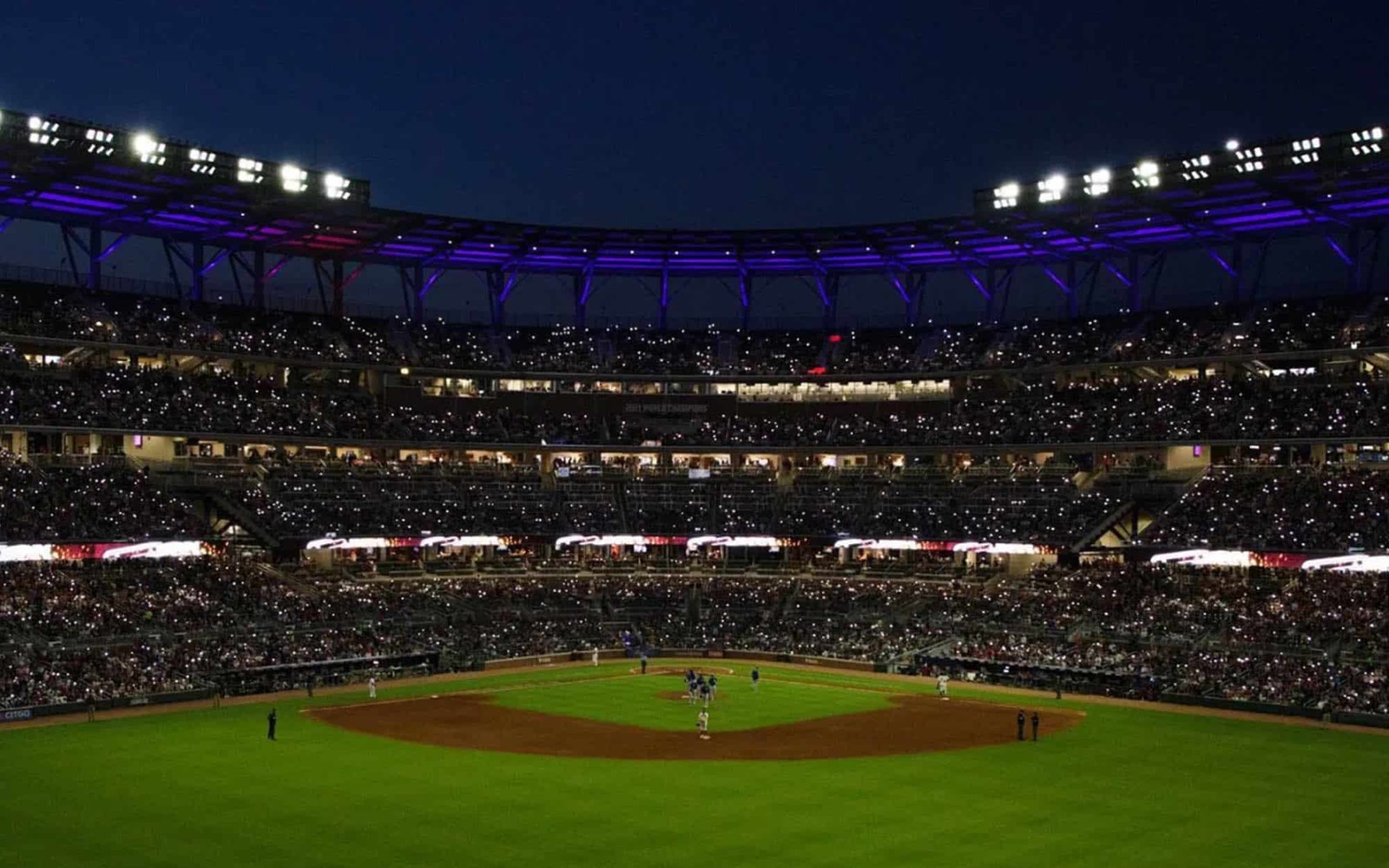

In the world of sports, the spectacle extends beyond the players and the game itself; it encompasses the entire ambiance of the stadium, including lighting. Sports lightingenhances visibility and impacts the players’ performance and spectators’ experience. With the evolution of LED technology, sports lightinghas undergone a significant transformation, offering unprecedented efficiency, flexibility, and performance. However, achieving optimal results requires meticulous planning and effective design. In this blog, we will explore the insights and strategies essential for the planning and design phase of LED sports lighting projects, highlighting the technical nuances, fixture selection criteria, energy efficiency benefits, and the importance of collaboration among stakeholders.
Sports Lighting Design Phase Considerations
The sports lighting design phase serves as the canvas upon which the vision for an exceptional sporting experience takes shape. LED technology has revolutionized sports lighting, offering unprecedented efficiency, flexibility, and performance. However, harnessing its full potential requires a meticulous approach to sports lighting design.
Understanding the Venue
The design phase begins with a comprehensive understanding of the sports venue’s layout, dimensions, and architectural elements. Whether it’s a sprawling football stadium, an intimate basketball court, or a multifunctional arena, each venue presents unique challenges and opportunities for lighting design. Factors such as seating arrangement, ceiling height, and structural obstructions must be carefully considered to ensure optimal light distribution and minimal glare.
Analyzing Lighting Requirements
Effective lighting design hinges on a thorough analysis of the specific requirements and preferences of stakeholders, including athletes, spectators, broadcasters, and facility managers. Different sports necessitate varying lighting levels, uniformity, and color rendering to support gameplay and enhance visual comfort. Moreover, aesthetic considerations such as dynamic lighting effects and branding opportunities can further enrich the spectator experience and contribute to the venue’s ambiance.
Integration of Advanced Technologies
LED sports lighting offers many advanced technologies and features that can be tailored to meet the unique needs of each venue. From dynamic lighting controls and programmable color options to glare reduction mechanisms and adaptive lighting systems, integrating these technologies into the design phase enhances flexibility, efficiency, and performance. Incorporating smart sensors and data analytics enables real-time monitoring and optimization of lighting parameters, ensuring energy savings and operational efficiency over the long term.
Optimizing Light Quality and Distribution
Achieving optimal light quality and distribution is paramount in LED sports lighting design. By carefully selecting luminaires with appropriate beam angles, color temperatures, and glare control features, designers can minimize shadows, eliminate hotspots, and maintain consistent illumination across the playing surface. Moreover, strategic placement of fixtures and precise aiming angles play a crucial role in enhancing visual clarity, depth perception, and contrast, improving athletes’ performance and spectators’ viewing experience.
Balancing Efficiency and Aesthetics
The design phase of LED sports lighting involves striking a delicate balance between energy efficiency and aesthetic appeal. While maximizing energy savings through efficient fixture selection, zoning strategies, and intelligent controls is imperative, designers must also consider the lighting design’s visual impact on the venue’s overall ambiance. From creating captivating light shows during pre-game ceremonies to illuminating iconic architectural features, LED sports lighting design offers boundless opportunities to enhance the atmosphere and captivate audiences.
Collaborative Iteration and Feedback
The design phase thrives on collaboration and iterative refinement, involving stakeholders at every stage of the process. Engaging architects, lighting designers, engineers, facility managers, and sports organizations fosters a holistic approach to design, ensuring that the lighting solution aligns with the broader goals and objectives of the project. By soliciting feedback, incorporating user preferences, and embracing iterative improvements, designers can refine the lighting design to achieve optimal results that exceed expectations.
Technical Aspects of LED Sports Lighting
LED sports lighting involves various technical considerations to ensure optimal performance. Three primary factors to address are lumens, color temperature, and beam angles.
- Lumens: Lumens refer to the total quantity of visible light emitted by a light source. In sports lighting, sufficient lumens are crucial to illuminate the playing area effectively without causing glare or shadows. Calculating the required lumens involves considering factors such as the sports venue’s size, the mounting poles’ height, and specific lighting standards for different sports.
- Color Temperature: Color temperature, measured in Kelvin (K), determines the warmth or coolness of the light emitted. For sports lighting, a color temperature ranging from 5000K to 6500K is typically preferred as it closely resembles daylight, offering optimal visibility and enhancing visual acuity for players and spectators alike.
- Beam Angles: Beam angles dictate light distribution on the playing surface. Wide beam angles are suitable for illuminating large areas uniformly, while narrower angles provide focused lighting for specific zones such as the playing field or spectator stands. Balancing beam angles ensures consistent illumination throughout the venue.
Fixture Selection and Technologies
Selecting the appropriate fixtures and technologies is paramount to achieving desired lighting outcomes tailored to different sports and stadium sizes. Here’s a breakdown:
- Football/Soccer: For large stadiums hosting football or soccer matches, high-output LED floodlights with adjustable beam angles are ideal. These fixtures can illuminate expansive playing fields evenly, ensuring optimal visibility for players and spectators.
- Basketball/Tennis: Indoor sports like basketball and tennis require lighting fixtures with precise beam control to minimize glare and shadows. LED high bay lights or linear fixtures with advanced optics can provide uniform illumination across the court while minimizing light spillage.
- Baseball/Softball: Baseball and softball fields demand a combination of outfield and infield lighting to effectively illuminate the entire playing area. LED fixtures with asymmetric optics can direct light precisely where needed, optimizing players’ visibility and minimizing light pollution.
Light up your facility with our various LED offerings from NGU Sports Lighting.
Energy Efficiency and Cost Savings
LED technology revolutionizes sports lighting by offering unparalleled energy efficiency and cost savings compared to traditional lighting systems. Here’s how:
- Reduced Energy Consumption: LED luminaires consume significantly less energy than conventional metal halide or high-pressure sodium lamps, resulting in substantial energy savings over the operational lifespan of the lighting system.
- Longevity and Maintenance Savings: LED fixtures boast extended lifespans, reducing the frequency of lamp replacements and maintenance costs associated with traditional lighting systems. This translates to lower ongoing expenses and improved reliability for sports facilities.
- Instantaneous On/Off Capability: Unlike conventional lighting technologies, LED luminaires offer instantaneous on/off functionality, eliminating warm-up times and allowing for more precise control over lighting schedules and energy usage.
Effective Communication and Collaboration
Successful LED sports lighting projects hinge on effective communication and collaboration among stakeholders, including architects, lighting designers, engineers, facility managers, and sports organizations. Key considerations include:
- Understanding Stakeholder Needs: Collaborating closely with stakeholders helps identify specific lighting requirements, budget constraints, and aesthetic preferences, ensuring that the lighting design aligns with the overall vision for the sports facility.
- Incorporating Feedback and Iteration: Regular communication and feedback loops enable iterative improvements to the lighting design, addressing any concerns or requirements raised by stakeholders throughout the planning and design phases.
- Compliance and Regulatory Considerations: Engaging with regulatory authorities and adhering to lighting standards and guidelines ensures compliance with safety, environmental, and energy efficiency regulations, mitigating potential risks and liabilities.
Signs Your Sports Lighting Design Could Improve
If you notice any of the following flaws with your set up, be sure to rethink your sports lighting design today.
- Uneven lighting across the playing surface, leading to shadows or dark spots that affect visibility for players and spectators.
- Glare or harsh lighting that causes discomfort or distraction, impacting athletes’ performance and audience enjoyment.
- Inadequate color rendering, resulting in distorted or washed-out visuals that diminish the clarity and vibrancy of the game.
- High energy consumption and operational costs due to outdated or inefficient lighting technologies, leading to financial strain for the facility.
- Limited flexibility and control over lighting levels, preventing dynamic adjustments for different events, seasons, or broadcasting requirements.
- Lack of integration with smart technologies and data analytics, missing opportunities to optimize energy usage and enhance operational efficiency.
- Inconsistent lighting maintenance or frequent lamp replacements, indicating potential reliability issues and increased downtime for the facility.
- Complaints from athletes, coaches, or spectators regarding poor lighting quality, discomfort, or safety concerns during events or practices.
Partner With NGU for Every Stage During the Sports Lighting Design Phase
Partner with NGU Sports Lighting for every stage during the sports lighting design phase. We offer unparalleled expertise in LED lighting, guiding you through meticulous planning, fixture selection, and advanced technology integration. Our team ensures optimal light quality, distribution, and energy efficiency tailored to your venue’s unique requirements. With us, you’ll collaborate closely with seasoned professionals, leveraging our innovative solutions to create immersive experiences that captivate athletes and spectators. From initial consultation to final implementation, trust NGU to illuminate your sports facility with brilliance and excellence.