
Energy consumption in commercial buildings poses significant environmental and economic challenges. Understanding the factors that contribute to energy consumption in different commercial buildings is essential for developing sustainable solutions. In this blog, we’ll look into these factors and alternative solutions that any building or venue can benefit from, like LED lighting systems.
A Global Focus on Energy Conservation
Energy conservation has become paramount. Among the culprits of high energy consumption are commercial buildings. These structures play a significant role in our daily lives, housing various functions such as commerce, education, healthcare, warehousing, food service, and service centers.
To develop effective energy-saving strategies and promote sustainability, it’s essential to understand which types of commercial buildings consume the most energy.
Commercial Buildings That Consume the Most Energy
Mercantile Buildings
Mercantile buildings include a wide range of establishments, from cozy corner stores to sprawling shopping malls. These commercial spaces are notable for their substantial energy consumption due to:
- Lighting: Creating an inviting atmosphere for customers is essential for businesses. To achieve this, many mercantile buildings use extensive lighting, including energy-intensive displays.
- HVAC Systems: Maintaining a comfortable shopping environment, especially in large malls, requires large HVAC systems. These systems must work diligently to regulate temperature and humidity, increasing energy consumption.
- Extended Hours: Many mercantile buildings operate for long hours or even 24/7, leading to a constant demand for energy.
Education Buildings
Education buildings, such as schools, colleges, and universities, represent another category with significant energy demands:
- Lighting and HVAC: Like mercantile buildings, educational facilities require well-lit classrooms and comfortable learning environments. The occupancy patterns in these buildings can be complex, making it challenging to optimize HVAC usage.
- Computer Labs: As technology becomes integral to education, computer labs and IT infrastructure are standard in educational buildings. These facilities require continuous power, contributing to energy consumption.
- Aging Infrastructure: Many educational buildings have older, less energy-efficient systems that need upgrading.
Healthcare Buildings
Healthcare buildings, including hospitals and medical clinics, are notorious for their high energy consumption:
- 24/7 Operations: Hospitals operate around the clock, making constant energy usage a necessity.
- Medical Equipment: Healthcare facilities are filled with energy-intensive medical equipment, such as MRI machines, X-ray machines, and life support systems.
- HVAC and Sterilization: Maintaining a sterile environment and rigorous temperature control in patient areas, operating rooms, and laboratories requires substantial energy input.
- Lighting: Bright, well-lit spaces are crucial for patient care and staff operations.
Warehouses
Warehouses are crucial links in the supply chain, and their energy consumption can be substantial:
- Lighting: Adequate lighting is essential for safety and efficient storage, leading to high energy usage.
- HVAC Systems: Maintaining temperature and humidity levels in climate-controlled warehouses is energy intensive.
- Material Handling Equipment: Warehouses often rely on forklifts, conveyor belts, and other machinery, all of which require significant power.
Foodservice Buildings
Foodservice establishments, including restaurants, cafeterias, and fast food outlets, are known for their energy-intensive operations:
- Kitchen Equipment: Commercial kitchens feature an array of energy-hungry appliances like ovens, grills, deep fryers, and refrigeration units.
- Lighting and HVAC: Restaurants often prioritize ambiance with extensive lighting and climate control.
- Extended Operating Hours: Many food service establishments operate well into the evening, leading to prolonged energy consumption.
- Refrigeration: Grocery stores and supermarkets heavily rely on refrigeration for food preservation. These systems are energy intensive and run continuously.
Service Centers
Service centers encompass car repair shops, gas stations, laundromats, and more. These buildings often face unique challenges that contribute to their energy consumption:
- Heavy Machinery: Car repair shops, for instance, rely on power-hungry equipment such as lifts, air compressors, and welding machines.
- Lighting: Gas stations operate 24/7, necessitating well-lit areas for customers during nighttime fuel stops.
- Laundromat Equipment: Laundromats house a multitude of washers and dryers that consume significant amounts of energy.
Improving energy efficiency in commercial buildings can immediately lower utility costs. Check out industry-leading LED lighting systems from NGU Sports Lighting.
Energy-Efficient LED Solutions for Any Venue
NGU Sports Lighting provides innovative lighting applications for a wide range of commercial facilities, including professional venues, convention centers, high schools, and universities.
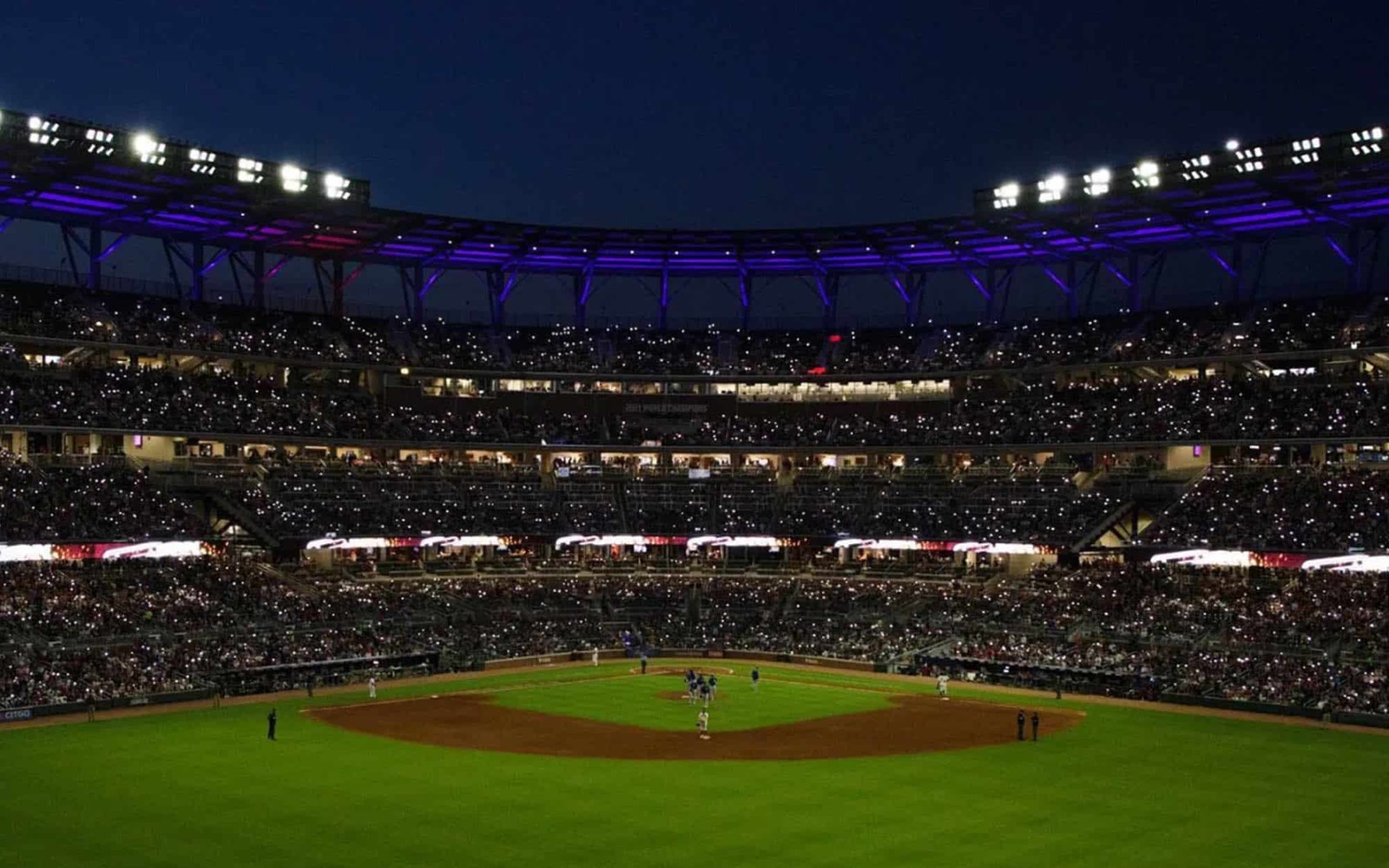
- Professional Venues Professional venues, such as stadiums and concert halls, require ample lighting to create a captivating atmosphere. Traditional lighting sources like metal halide or incandescent bulbs are energy intensive. These venues can significantly reduce energy consumption by converting to our LED lights. LED lighting offers exceptional brightness and consumes up to 75% less energy, leading to substantial cost savings.
- Convention Centers Convention centers host a multitude of events, each with unique lighting requirements. Traditional lighting systems in convention centers can be inefficient and costly to maintain. LED lights have a longer lifespan, reducing maintenance expenses and providing consistent, high-quality lighting for conferences, exhibitions, and trade shows.
- High Schools and Universities High schools and universities often have numerous facilities and venues. Illuminating these spaces efficiently can be challenging. LED lighting from NGU is a cost-effective solution, reducing energy consumption. This allows institutions to allocate budgets more effectively while creating safe, well-lit environments for athletes, students, and faculty.
NGU Sports Lighting: Your Source for Energy-Efficient LED Lighting Systems
At NGU Sports Lighting, we take pride in delivering top-tier LED lighting systems and products to accommodate venues of all sizes. Our commitment to excellence means every customer, regardless of their venue’s scale, receives best-in-class lighting solutions for superior visibility and energy efficiency. Contact our team to get started today.